



















CINCINNATI — For Cincinnati basketball fans who remember the Bob Huggins years, there was something special about watching the Bearcats play defense. Opponents knew they were in for a fight, and easy baskets were hard to come by. That intimidating style helped make Cincinnati one of college basketball's most respected, and feared, programs throughout the 1990s and early 2000s.
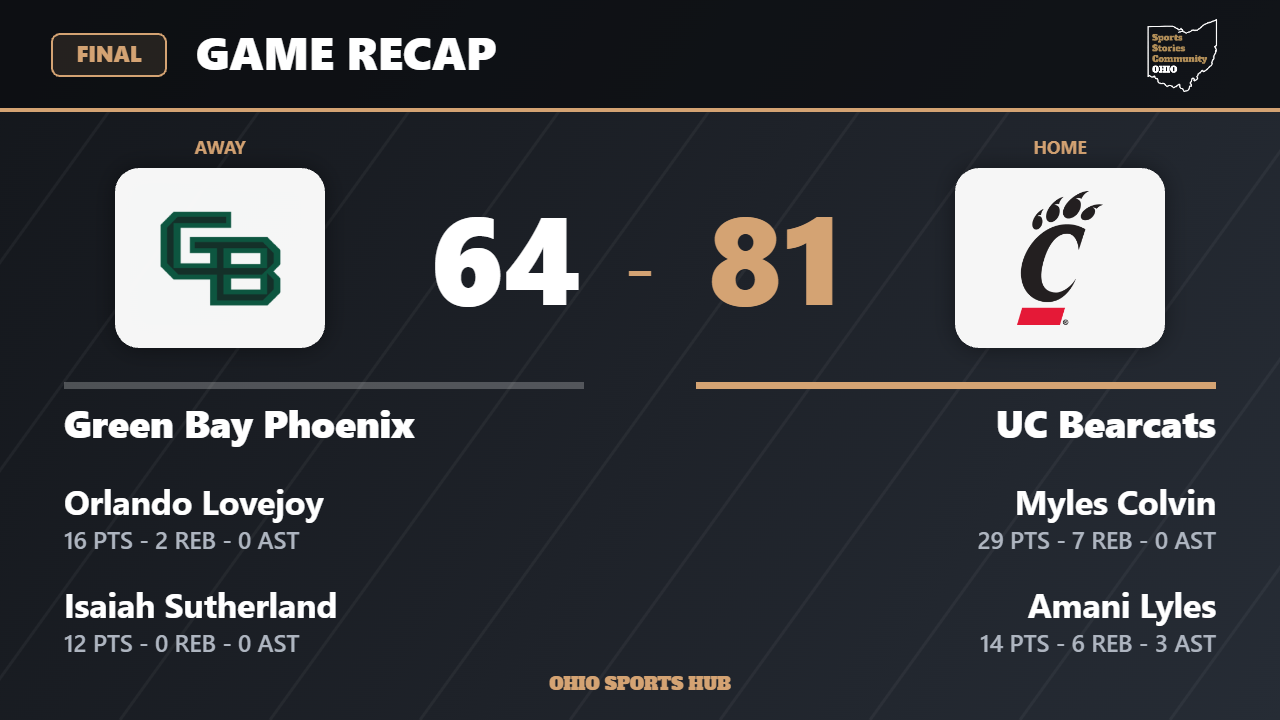
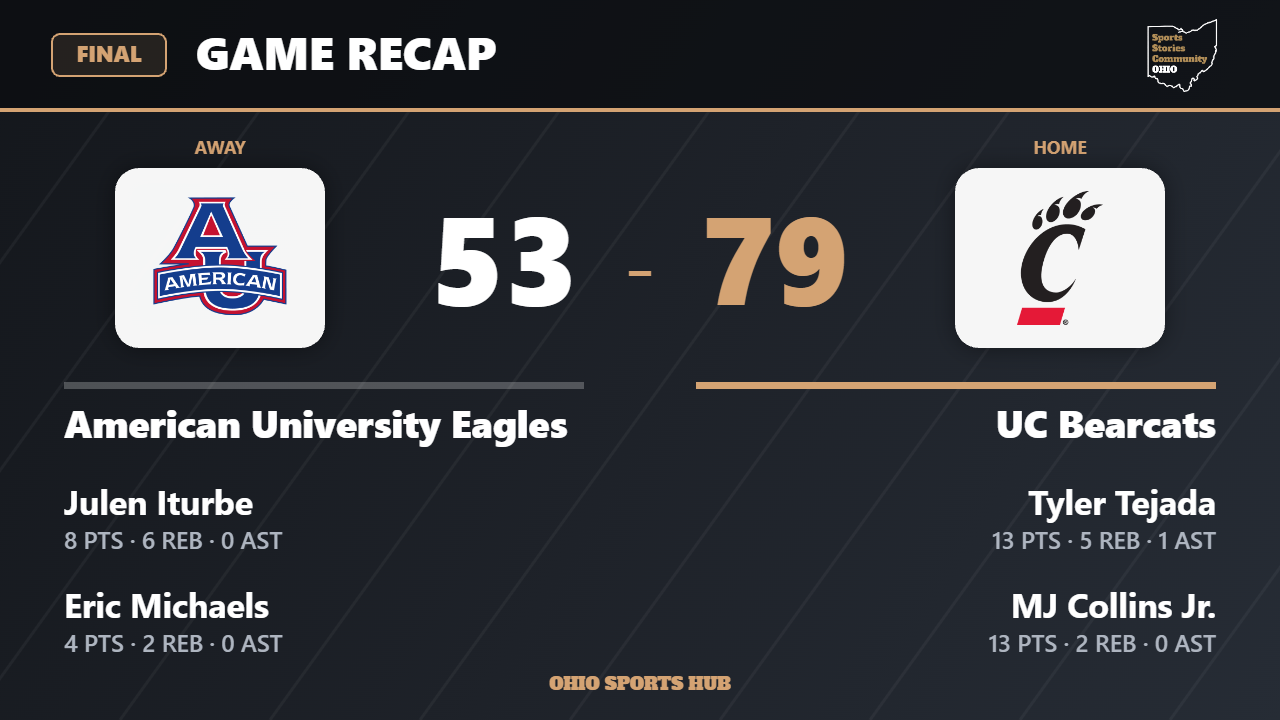
Four games into Jerrod Calhoun's first season, there are signs that Cincinnati is returning to that identity. The Bearcats are 3–1, allowing an average of just 63 points per game, and have already shown an ability to pressure opponents. It is early, but the resemblance to the teams that helped define the Huggins era is hard to ignore.
The connection is no coincidence. Calhoun was a student assistant under Huggins at Cincinnati during the 2003–04 season and later spent five seasons on his staff at West Virginia. When Calhoun was introduced as Cincinnati's new head coach in March, he made it clear that restoring the program's defensive reputation was among his priorities.
He talked about making opponents fear playing Cincinnati again, particularly at Fifth Third Arena. He also emphasized forcing turnovers and getting steals, two characteristics that were central to Huggins' successful teams.
Through three games, Cincinnati ranked 13th nationally in adjusted defensive efficiency, according to KenPom. The Bearcats were also among the nation's leaders in forcing turnovers, recording 56 through their first three contests. Those numbers reflect a team that is already buying into its coach's defensive expectations.
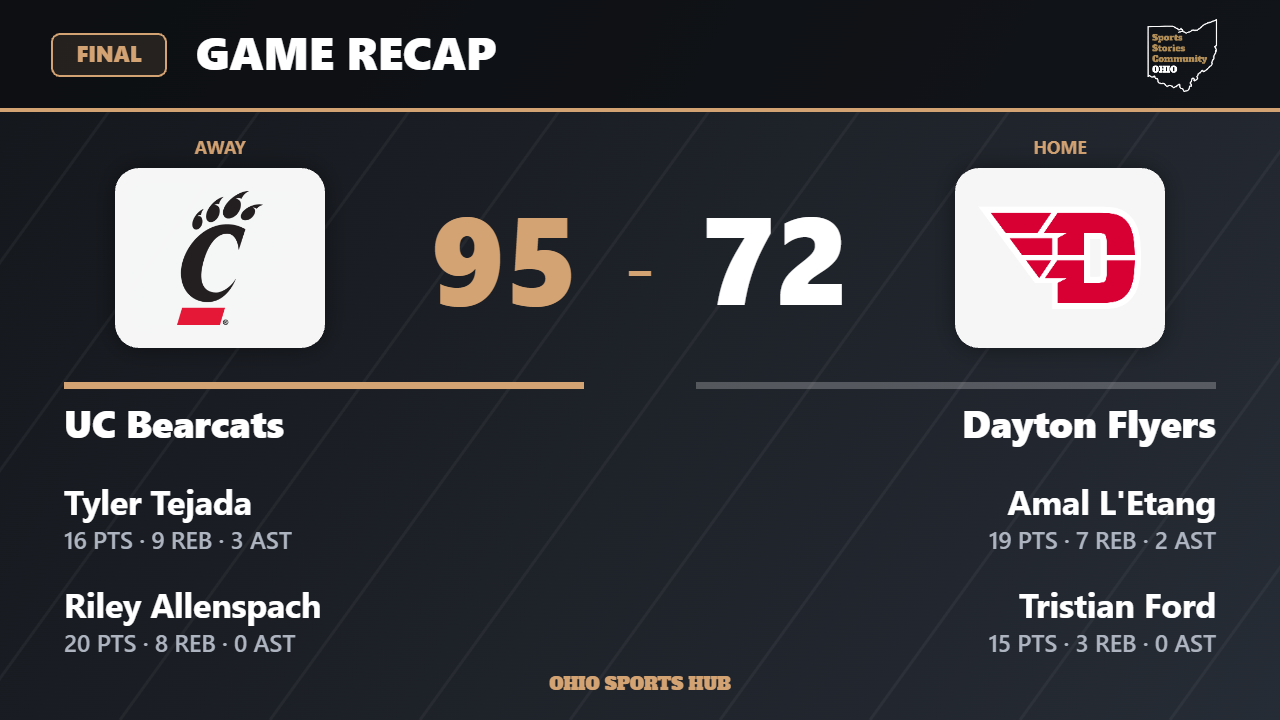
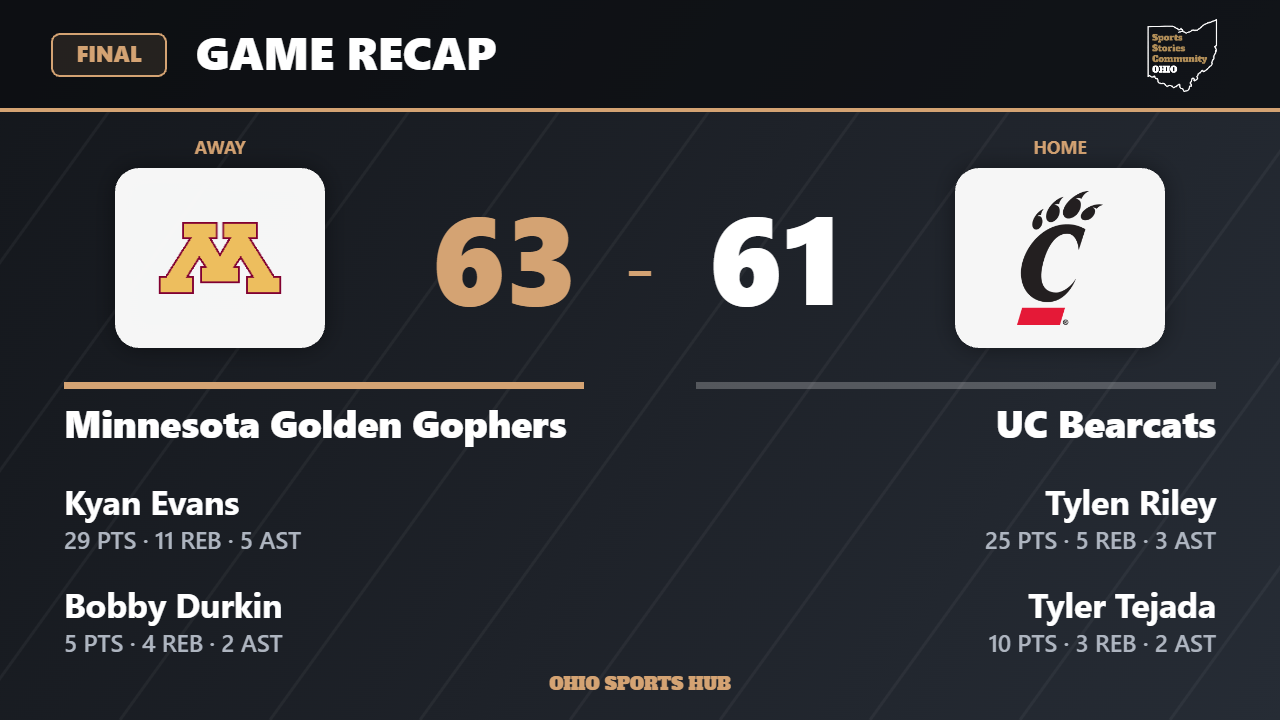
Cincinnati's defense was also a factor in Saturday's 95–72 win at Dayton. The Bearcats held the Flyers to 42.3% shooting and just 6-of-23 from three-point range. Cincinnati also outrebounded Dayton 37–27, a notable improvement after struggling on the boards against Minnesota.
There is still plenty of work ahead. Dayton scored 72 points and committed only 11 turnovers, showing that Cincinnati won't overwhelm every opponent with defense. The Big 12 will also provide a much tougher test of how well Calhoun's approach works against talented, experienced teams.
But Cincinnati doesn't need to become a carbon copy of Huggins' teams to embrace what made them successful. Calhoun wants a team that plays aggressively, makes opponents uncomfortable, and takes pride in doing the difficult work on defense.
For a program with Cincinnati's history, that sounds awfully familiar. And if Calhoun can combine that defensive mentality with the offensive ability the Bearcats displayed against Dayton, he could be building the kind of team Cincinnati fans have been waiting to see for a long time.