








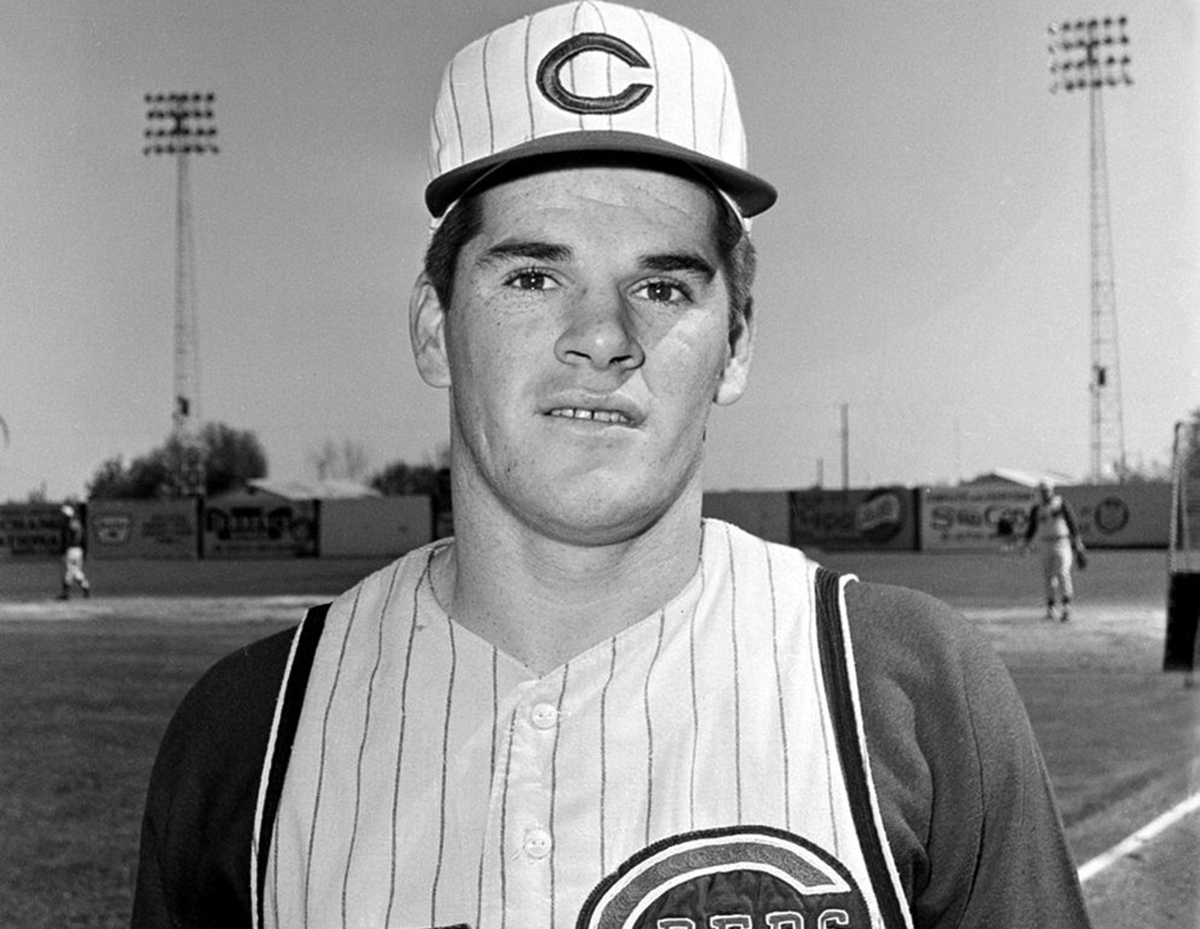



WASHINGTON — President Donald Trump announced Thursday that he had granted a posthumous pardon to Pete Rose, Major League Baseball's all-time hits leader and former Cincinnati Reds star.
Rose, who died September 30, 2024, at age 83, pleaded guilty to two federal felony counts of filing false income tax returns in 1990. He admitted failing to report $354,968 in income over four years and was sentenced to five months in federal prison, fined $50,000, and ordered to perform 1,000 hours of community service.
Trump did not specify which offenses the pardon covered in his social media announcement. When asked for clarification, a White House official pointed to Rose's federal tax convictions.
The pardon does not affect the gambling violations that resulted in Rose's permanent ban from Major League Baseball in 1989. An investigation determined that Rose had bet on baseball games, including games involving the Reds, while playing for and managing the team.
Rose denied betting on baseball for years before admitting to it in 2004.
His eligibility for the National Baseball Hall of Fame was already addressed in May 2025, when MLB Commissioner Rob Manfred ruled that individuals on baseball's permanently ineligible list would have their restrictions lifted upon death. The decision affected Rose and 16 others, including Shoeless Joe Jackson.
That ruling made Rose eligible for Hall of Fame consideration, although it did not guarantee him a place on the ballot or his eventual election.
The Hall's Classic Baseball Era Committee is scheduled to vote in December 2027, with the earliest possible induction coming in 2028. Rose would need at least 12 votes from the 16-member committee to gain election.
Rose finished his 24-year playing career with 4,256 hits, a record that still stands. He was a 17-time All-Star, won three batting titles, and helped Cincinnati win consecutive World Series championships in 1975 and 1976.
His place among baseball's greatest hitters has never been seriously questioned. His exclusion from the Hall of Fame has instead centered on his gambling violations and whether they should prevent him from being inducted.
Thursday's pardon does nothing to change that debate. Rose was already eligible for Hall of Fame consideration before the announcement, and his induction remains a decision for the Hall's voters.